Should Your Headshot Match Your Real Appearance?
Should your professional headshot match how you actually look? The trust gap caused by heavily edited or outdated photos and how to avoid it.
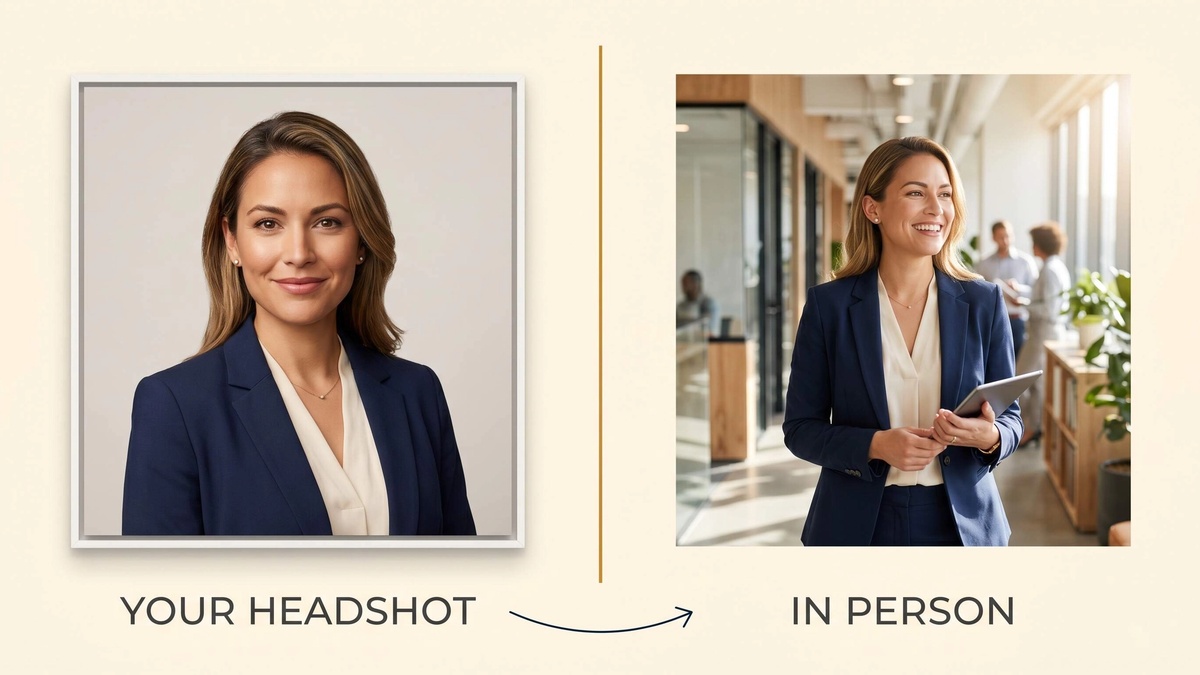
Table of Contents
Your headshot is a promise.
It tells people what to expect when they meet you, get on a call with you, or pull up your profile before an interview. When the photo doesn't match reality, that promise breaks before the interaction even starts.
The Recognition Rule
The clearest standard: if someone walks past you in a lobby and doesn't recognize you from your photo, your headshot has failed.
This isn't about being your best-looking self. It's about being recognizable. A professional headshot serves an identification function. If it doesn't identify you accurately, it's not doing its job.
🚨 Where Mismatch Creates Real Problems
Job interviews: A recruiter has formed an impression from your photo before you walk in. A significant mismatch creates immediate subconscious recalibration. Not ideal for first impressions.
Client meetings: If a client is looking around the room trying to find the person from your headshot, that's an awkward start.
Networking events: People use LinkedIn to identify each other at conferences. If your photo is from ten years ago, they can't find you in the room.
Video calls: Many platforms display your profile photo alongside your name. If your actual face looks very different in the video, the disconnect registers instantly.
Common Causes of Mismatch
- ❌ Outdated photo: The most common issue. Hair changes, weight changes, and simply aging all create drift between an old headshot and current appearance.
- ❌ Heavy retouching: See headshot retouching: how much is too much. When editing removes wrinkles, reshapes the face, or changes skin tone significantly, the result stops being you.
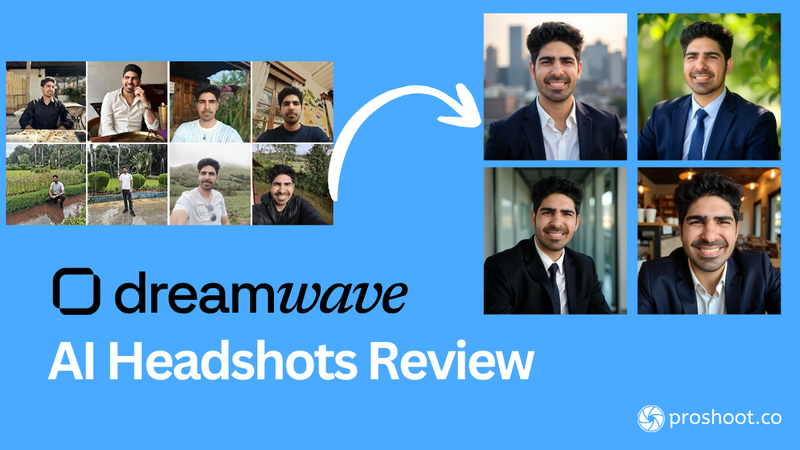
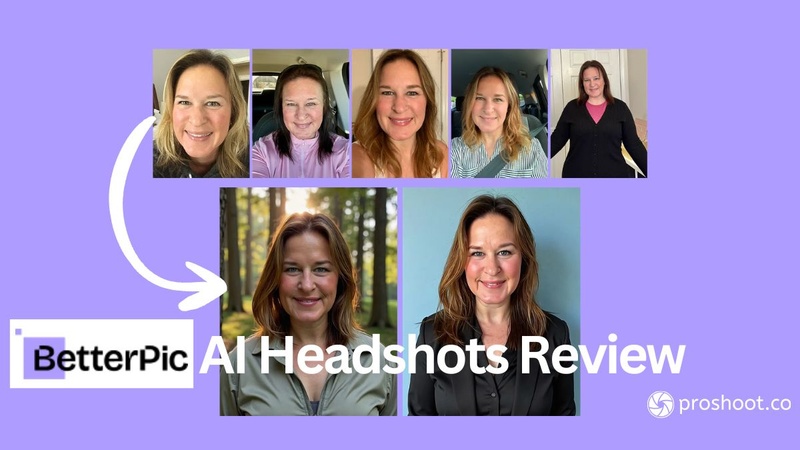
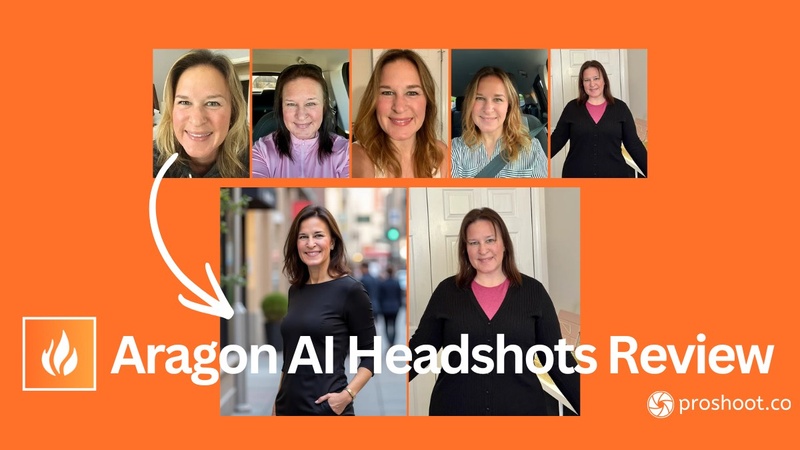
- ❌ AI feature drift: Some AI headshot tools generate results that are technically impressive but look significantly different from the source photos. The face may be more symmetrical, younger, and smoother than you actually are.
How to Ensure Your Headshot Looks Like You
For traditional photography:
- Use recent source photos for reference in your session
- Don't ask the photographer to edit out structural features
- Review retouching at full resolution before approving the final file
For AI headshots:
- Upload recent, clear source photos taken in the last few months
- Upload variety: different angles, different lighting, multiple expressions
- Compare the output at full resolution to a current selfie side by side
- If the output looks markedly younger or more symmetrical than you are, use a different tool or request different outputs
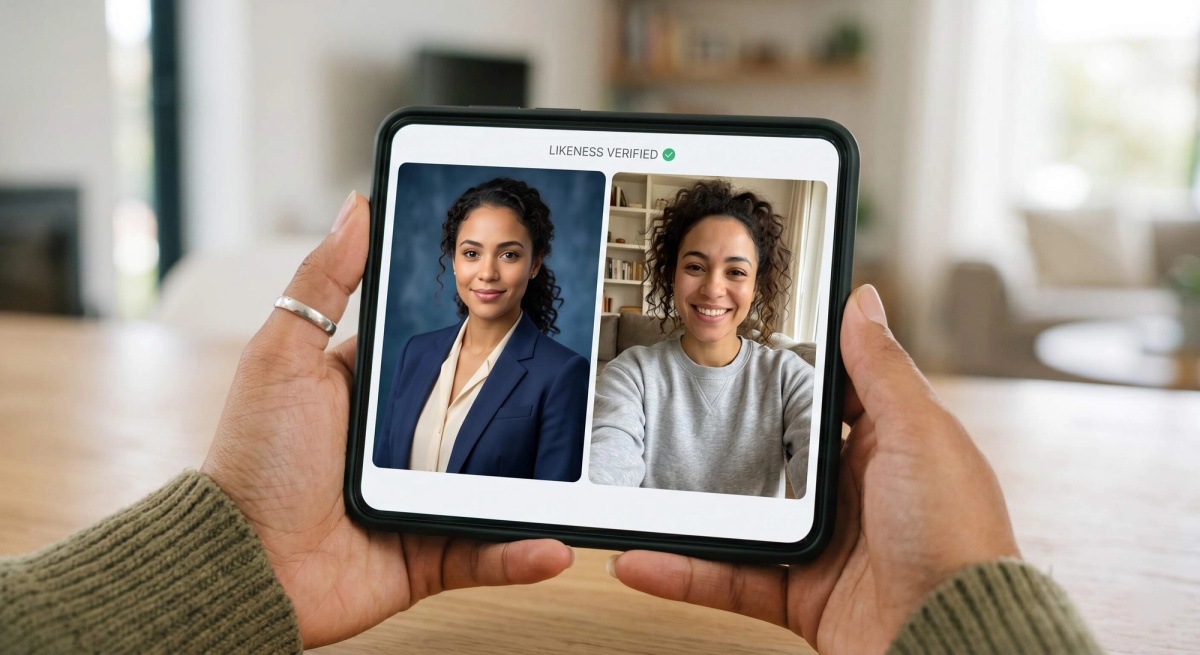
What kind of photos work best for AI headshots explains what source photo quality does to AI output likeness specifically.
What professionals should look for in an AI business headshot covers evaluation criteria beyond just likeness.
How to tell if an AI headshot looks real goes through specific technical checks to run on any AI-generated result.
For reference on what accurate, professional AI headshots look like: best AI headshot generators.
Proshoot is built to preserve your likeness. The output looks like a professional version of you, not a generic AI face. See for yourself.
Frequently Asked Questions

Fazil
Content Writer